
Introduction
Spotify music festival Picture this: You’re scrolling Instagram at 2 AM and see your friend’s post showing a festival poster with their name at the top. Below it? A lineup of their most-played artists arranged exactly like Coachella. You think, “Wait, how did they pull that off?”
That’s the world of Spotify music festivals. It’s not what you’re picturing no muddy fields or overpriced water bottles. Instead, it’s something smarter: using your listening data to create personalized festival lineups, discovering real events through curated playlists, and experiencing Spotify’s physical presence at major music gatherings.
In 2025, Spotify commands 32.9% of the music streaming market, generating around $72.2 billion in revenue. But the platform isn’t just about streaming anymore. It’s become the bridge between your personal taste and the massive world of live music, whether that’s virtual or physical.
Ready to understand what a Spotify music festival actually is? Let’s break it down.
What Exactly Is a Spotify Music Festival?
Here’s where things get interesting. A Spotify music festival means three different things depending on who you ask.
The Virtual Poster Experience (Instafest)
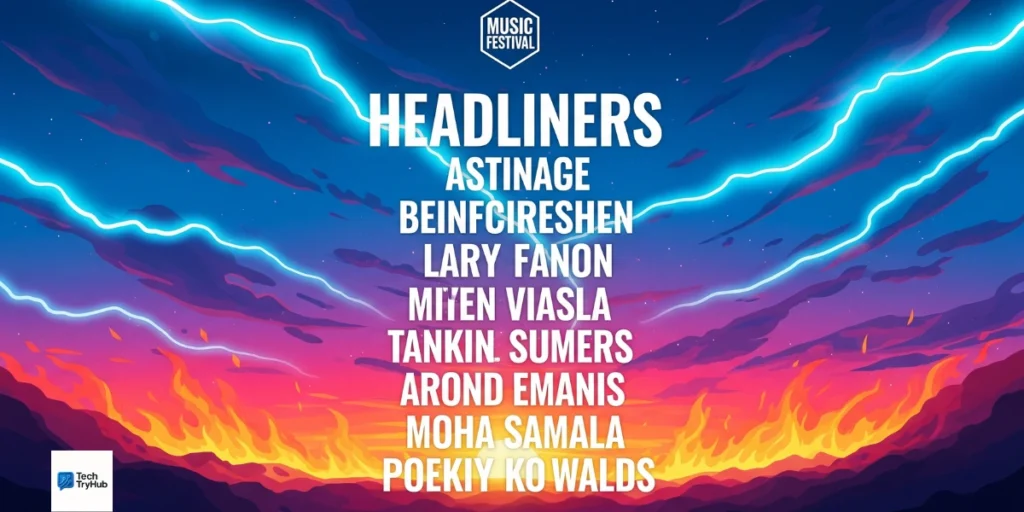
Instafest is a free web app created by computer science student Anshay Saboo in 2022. It pulls your most-played artists from specific time ranges and organizes them into a lineup-style graphic that looks exactly like music festival posters you’d see plastered on walls.
Think of it as Spotify Wrapped, but focused purely on artist rankings formatted like a festival bill. Your headliners appear at the top in huge fonts (those are your most-streamed artists). Mid-tier acts fill the middle. Smaller discoveries crowd the bottom.
The visual mimics real festival posters. You’re the festival organizer, and your taste becomes the lineup.
Spotify’s Physical Festival Presence
Spotify doesn’t just live online. Since 2018, Spotify House has brought country playlists to life at CMA Fest in Nashville. In 2025, the platform returned to CMA Fest for the sixth year, taking over the Ole Red venue with three days of nonstop country music performances.
These aren’t Spotify-branded festivals exactly. They’re immersive activations at existing events where fans discover new artists in person. Spotify Beach also returned to Cannes Lions International Festival of Creativity in 2025, showcasing the platform as a creative playground.
Festival Discovery Through Playlists
The third meaning? Using Spotify’s curated festival playlists to discover artists before they headline major stages. Editorial teams (real humans, not just algorithms) build collections featuring artists performing at upcoming festivals, genre-specific vibes, and seasonal compilations.
These playlists recreate the serendipity of stumbling onto an unknown artist at a festival tent without the $300 ticket or sunburn.
Key Takeaways:
- Spotify music festivals exist in virtual (Instafest) and physical forms (Spotify House)
- Virtual festivals use your listening data to create shareable posters
- Physical events focus on discovery at major industry gatherings
- Festival playlists help you preview artists before real events
- The concept bridges personal music taste with live festival culture
How to Create Your Own Spotify Music Festival With Instafest
Creating your personalized festival lineup takes about 60 seconds. I tried it last week, and honestly? Seeing my most-played artists arranged like a Coachella poster was oddly satisfying.
Step-by-Step Process
The free web app requires you to sign in with your Spotify account, and it generates a poster based on the artists you most listened to. Even if you’re not tech-savvy, this works smoothly.
Step 1: Visit the Instafest Website Go to instafest.app (the official site). You’ll see a clean landing page with a “Create Your Festival” button. Nothing complicated.
Step 2: Connect Your Spotify Account Instafest requires access to your Spotify listening data to generate the festival lineup. The app assures users it doesn’t store or sell any personal data. Click the authorization button and grant access through Spotify’s secure login. This takes maybe 10 seconds.
Step 3: Choose Your Timeline The timeline can be customized to use artists from the last 4 weeks, 6 months, or all time. This flexibility matters because your taste evolves. Last month might show your current obsession (for me, it was Khruangbin on repeat). “All time” reveals your longtime favorites—the artists you’ve been riding with for years.
Step 4: Select a Poster Style Pick from multiple design templates. Options include Malibu Sunrise (bright and beachy), LA Twilight (moody purple tones), and Mojave Dusk (desert vibes). Each style changes the color palette and typography. I went with LA Twilight because it matched my late-night listening sessions.
Step 5: Download and Share Once generated, save the image to your device or share directly to social media. The poster includes your name as the festival organizer and your top artists ranked by listening frequency.
What Your Results Actually Mean
The lineup isn’t random. Your most-streamed artist gets the biggest font at the top the equivalent of a festival headliner booking. Artists you’ve listened to occasionally appear in smaller text toward the bottom, mimicking undercard acts that play early afternoon sets.
This ranking shows your musical hierarchy. If Taylor Swift dominates your top spot and a local indie band appears at the bottom, you know where your listening hours actually went (even if you swear you’re a die-hard indie fan). The data doesn’t lie.
Key Takeaways:
- Instafest generates festival posters in under a minute
- View data from the last month, 6 months, or all time
- The app doesn’t store or sell your personal information
- Bigger font equals more streams, reflecting real festival billing structure
- Multiple design styles let you match the aesthetic to your taste
Understanding Spotify’s Festival Playlists and Curation
Beyond virtual posters, Spotify curates actual festival-themed playlists that help you discover music year-round. But how do they build these?
How Spotify Builds Festival Playlists
Editorial playlists are curated by Spotify’s editors genre, lifestyle, and culture specialists with diverse backgrounds. Many playlists have multiple editors working across different locations. This isn’t an algorithm randomly picking songs. Real people with deep music knowledge select every track.
Festival playlists often include:
- Artists performing at upcoming festivals
- Genre-specific collections (indie festival vibes, EDM festival bangers)
- Seasonal compilations labeled “Festival Season 2025”
- Mood-based selections for road trips to festivals
Curated playlists feature tracks from Billboard chart-topping artists like Billie Eilish and internationally known bands like Radiohead, alongside stalwarts of the indie festival circuit. The mix balances mainstream appeal with deeper cuts you won’t hear on Top 40 radio.
Finding the Right Festival Playlist
Search “festival 2025” or “summer festival” in Spotify’s search bar. You’ll see dozens of options. Look for playlists with the Spotify logo in the byline those are officially curated. User-generated playlists can be excellent too, but editorial selections typically have better flow and curation quality.
Pro tip: Check the update frequency. A playlist updated yesterday is more likely to include current festival buzz than one last refreshed in 2023. Stale playlists kill the vibe.
Why Festival Playlists Matter for Discovery
Curated festivals introduce you to similar artists or genres you might not have explored, expanding your musical horizons. You might click for one headliner and discover three opening acts you’ve never heard.
This mirrors the actual festival experience. You show up for the main stage closer but stumble onto a tent set at 2 PM that becomes your new obsession. Playlists recreate that serendipity without the festival wristband or porta-potty lines.
Key Takeaways:
- Spotify employs real music experts to curate festival playlists
- Editorial playlists mix mainstream artists with emerging festival circuit regulars
- Search “festival 2025” to find current collections
- Playlists replicate the discovery aspect of physical festivals
- Check update dates to ensure fresh, relevant content
Spotify’s Role in Real Music Festivals
Spotify doesn’t host its own festivals (yet), but the company maintains a strong presence at major events. Here’s what that looks like in practice.
Spotify House at CMA Fest
Spotify House returned to CMA Fest in Nashville for the sixth year in 2025, taking over the iconic Ole Red venue with three days of nonstop country music. This isn’t just branding for the sake of it. It’s a curated space where emerging country artists perform for fans who discovered them on Spotify playlists.
The setup includes live performances, artist meet-and-greets, and playlist listening stations. Attendees can request songs from Spotify’s country playlists and watch those artists perform live within hours. It connects digital discovery to physical experience in real time. Spotify music festival
With nearly 8 million saves on CMA Fest playlists, the platform is actively connecting fans with music crafted by talented songwriters and musicians. That’s not a small number.
Spotify Beach at Cannes Lions
While Cannes Lions focuses on advertising and creativity rather than music specifically, Spotify’s presence there highlights how festivals have become marketing platforms. In 2025, Spotify Beach returned to showcase the platform as a creative playground where creators share and fans explore.
These activations serve multiple purposes: brand visibility, artist promotion, and fan engagement. They also generate social media buzz that drives more people to explore festival playlists on the app.
Partnership With Festival Organizers
Spotify partners with festivals like Coachella, Lollapalooza, and Glastonbury to create official playlists featuring lineup artists. Before the event, fans can preview the acts. After, they revisit highlights through post-festival compilations.
Some festivals integrate Spotify data into their booking decisions. If an artist has strong streaming numbers in a specific city or region, festival organizers take notice. This creates a feedback loop where Spotify listening influences who gets booked, which then drives more streaming.
Key Takeaways:
- Spotify House has appeared at CMA Fest for six consecutive years
- Physical Spotify spaces connect digital discovery to live performances
- Festival partnerships create official playlists before and after events
- Streaming data sometimes influences festival booking decisions
- Brand activations serve fans, artists, and Spotify’s marketing simultaneously
Comparing Instafest to Spotify Wrapped
People confuse these two all the time. They’re related but serve different purposes. Let me clear this up.
| Feature | Instafest | Spotify Wrapped |
|---|---|---|
| Creator | Third-party developer (Anshay Saboo) | Official Spotify feature |
| Focus | Artist rankings only | Songs, genres, minutes, podcasts |
| Format | Festival poster graphic | Interactive story with multiple graphics |
| Availability | Year-round | Once per year (December) |
| Customization | Choose timeframe and design style | Fixed annual review |
| Data Access | Artists you streamed | Comprehensive listening stats |
| Shareability | Single downloadable image | Multiple shareable graphics |
| Purpose | Quick snapshot of current taste | Full year-in-review experience |
When to Use Each
Use Instafest when you want a quick, shareable snapshot of your current music taste. It’s perfect for comparing with friends or seeing how your festival would look if you could book anyone you listen to regularly.
Use Spotify Wrapped for the full year-in-review experience. You get total minutes listened, top genres, listening personality types, and even messages from your most-played artists. It’s comprehensive but only drops in December.
Some people (like me) create Instafest posters monthly to track how taste shifts. One month might show a heavy rotation of hip-hop. The next reveals a deep dive into 80s synthwave. That flexibility makes it more dynamic than waiting for the annual Wrapped drop.
Key Takeaways:
- Instafest is third-party; Spotify Wrapped is official
- Instafest shows artist rankings only; Wrapped covers everything
- Create Instafest posters anytime; Wrapped is annual
- Both use Spotify data but present it differently
- Instafest works better for tracking monthly changes in taste
Privacy and Data Concerns With Festival Apps
Anytime you connect a third-party app to Spotify, questions about privacy come up. Fair concern. Let’s address it directly.
What Data Does Instafest Access?
The app assures users that it doesn’t store or sell any personal data, and you can revoke access to your Spotify data at any time through your Spotify account settings. When you authorize Instafest, it reads your listening history to generate the poster but doesn’t keep that information on its servers afterward.
The access is temporary and specific. Instafest can see:
- Your top artists within selected timeframes
- Play counts for ranking purposes
- Basic profile information (your Spotify username)
It cannot see:
- Your payment information
- Private playlists you’ve marked as secret
- Personal messages or emails
- Detailed song-level data beyond top artists
- Your location or device information
How to Revoke Access
If you’re uncomfortable after using Instafest, revoking access takes 30 seconds:
- Log into your Spotify account on desktop
- Go to Account Settings
- Click “Apps” in the left sidebar
- Find Instafest in the list
- Click “Remove Access”
Once removed, Instafest can no longer see your listening data. Your poster still exists (you downloaded it), but the connection between the app and your account is completely severed.Spotify music festival
General Third-Party App Safety
Instafest gained popularity because it’s transparent about data use. But always check before authorizing any app. Look for:
- Clear privacy policies on the website
- Limited scope of data access (only what’s needed)
- Positive reviews from tech publications like TechCrunch or Mashable
- No requests for unnecessary permissions
If an app asks for payment details or access to private messages, that’s a massive red flag. Legitimate music apps only need listening data. Nothing more.
Key Takeaways:
- Instafest doesn’t store or sell your personal data
- Revoke app access anytime through Spotify settings
- Third-party apps should only request necessary permissions
- Always read privacy policies before connecting accounts
- Downloaded posters remain even after revoking access
Using Festival Data to Discover New Artists
The real value of Spotify music festivals isn’t the poster itself. It’s what you learn about your taste and how you can expand it strategically.
Analyzing Your Festival Lineup
Look at your Instafest poster critically. Are all your top artists from one genre? That might mean you’re stuck in a musical echo chamber. Seeing diversity across rock, hip-hop, electronic, and indie suggests you actively explore.
Check the bottom rows too. Those lower-tier “acts” on your festival represent artists you’ve streamed occasionally but not obsessively. They’re your gateway to branching out. Pick one and spend a week only listening to their full discography. See what happens.
The “Who Should Be Higher?” Game
Compare your poster with friends. Someone might have an artist you love in their bottom row, while they’re your headliner. That discrepancy reveals different listening habits even among people with similar taste.
This creates natural conversation starters about music. “How is Arctic Monkeys only mid-tier for you? They’re my number two!” These discussions lead to playlist swaps and recommendations you wouldn’t get from an algorithm alone.
Building Festival-Inspired Playlists
Once you have your Instafest poster, create a Spotify playlist mirroring that lineup. Order songs like a festival set:
- Start with your headliner’s biggest hits (the crowd-pleasers)
- Mix in mid-tier artists’ popular tracks (the solid middle acts)
- End with deeper cuts from smaller acts (the discovery zone)
Play it at parties or during road trips. It becomes a sonic representation of your current music identity, and you can update it as your taste evolves. I do this quarterly, and it’s wild to see how much changes.Spotify music festival
Exploring Festival-Adjacent Artists
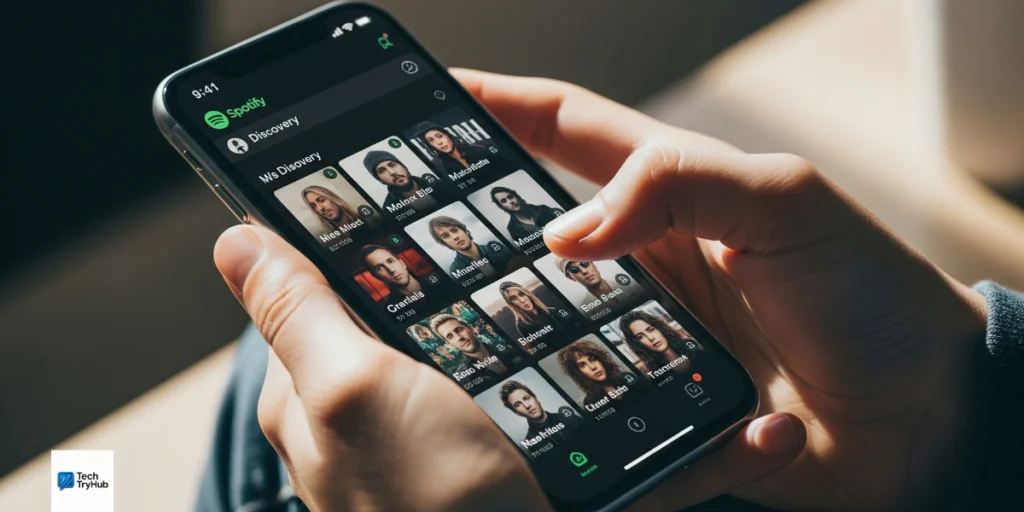
Spotify’s recommendation engine works well for finding similar artists. Click on any artist from your festival lineup and scroll to “Fans Also Like.” Those suggestions are based on listener overlap people who stream your favorite artists also listen to these others.
This method is more reliable than random genre searches. If your festival includes Phoebe Bridgers, checking “Fans Also Like” will surface artists like Julien Baker or Soccer Mommy. It’s targeted discovery based on actual listening patterns, not guesswork.
Key Takeaways:
- Analyze your lineup for genre diversity and musical patterns
- Low-tier artists on your poster are exploration opportunities
- Compare posters with friends to discover new recommendations
- Create playlists mimicking your festival lineup structure
- Use “Fans Also Like” for targeted artist discovery
Spotify Festival Trends for 2025
The festival landscape on Spotify keeps evolving. Here’s what’s happening right now that you should know about.
Rise of Genre-Blending Lineups
Spotify continuously innovates to bring users features and tools for seamless discovery, intuitive playlist curation, and uniquely personal listening experiences. This philosophy extends to festival playlists, which increasingly mix genres that traditionally stayed separate.
You’ll find EDM artists alongside indie folk singers in the same playlist. Pop-punk shares space with R&B. This reflects real festivals like Tyler the Creator’s Camp Flog Gnaw, which books wildly diverse lineups rather than sticking to single genres. The days of “rock festival” or “EDM festival” being the only categories are fading fast.
Increased Focus on Emerging Artists
Festival playlists used to lean heavily on headliners. Now, Spotify’s curation includes more emerging artists who haven’t hit mainstream yet. This serves multiple purposes:
- Gives new artists exposure before festival season kicks off
- Helps listeners discover acts before ticket prices skyrocket
- Creates buzz that festival organizers notice when booking next year’s lineups
If an unknown artist suddenly gains 100,000 streams from a Spotify festival playlist, venues take notice. That streaming momentum can lead to actual festival bookings within months. I’ve seen this happen with artists like Raye and Chappell Roan before they exploded.
Integration With AI Discovery Tools
Spotify is gradually rolling out new features and tests that put users in the driver’s seat with more controls and enhanced tools for music discovery. In May 2025, the platform introduced new playlist creation tools that let users easily start playlists, collaborate with friends, or join Blends.
These tools will likely integrate with festival content soon, allowing users to generate custom festival playlists based on mood, energy level, or specific genres. Imagine telling Spotify, “Create a festival playlist for a beach day with friends,” and getting a perfectly curated selection that feels cohesive. That’s where we’re heading.
Regional Festival Spotlights
Spotify has started highlighting regional festivals beyond the major U.S. and European events. Playlists now feature artists from Latin American, African, and Asian festivals, broadening the definition of “festival music” beyond Western indie-rock stereotypes.
This global approach reflects how streaming has made geographic boundaries less relevant. A listener in Pakistan can discover Brazilian carnival music or Japanese city pop through festival playlists just as easily as someone living in those countries. Music has genuinely gone global in ways it never could before.
Key Takeaways:
- Festival playlists increasingly blend genres rather than staying narrowly focused
- Emerging artist inclusion helps listeners discover acts before they’re mainstream
- New AI tools will enable more personalized festival playlist creation in 2025
- Regional festival spotlights expand beyond U.S. and European events
- Global discovery through playlists makes geographic boundaries irrelevant
Advanced Strategies: Using Festival Playlists for Artist Research
If you’re serious about discovering new music (or you’re an artist trying to understand the landscape), festival playlists offer strategic value beyond casual listening.
Pre-Festival Research Method
Before attending any festival, search for the official Spotify playlist. Most major festivals now have them. Listen through the entire thing at least twice. First time? Just vibe with it. Second time? Take notes.
Pay attention to:
- Which artists sound similar to your favorites
- Which songs make you stop what you’re doing and add them immediately
- Which artists you’ve never heard of but should catch live
This transforms your festival experience. Instead of wandering aimlessly between stages, you know exactly which undercard acts deserve your time. I did this before attending a local festival last summer, and it completely changed how I approached the day.
The Reverse Engineering Technique
Pick a festival playlist you love. Now analyze the artists Spotify included. What do they have in common? Are they all on the same record label? Do they share similar monthly listener counts? Do they tour together frequently?
Understanding these patterns helps you discover entire networks of similar artists. If three artists on a playlist are all signed to Secretly Canadian, check out the rest of that label’s roster. You’ve just found your next 20 favorite artists.
Creating Your Own Festival Discovery Workflow
Here’s a system I use monthly:
- Search “festival 2025” and save 5 playlists
- Listen to each while working or commuting
- Add standout tracks to a personal “Discovery” playlist
- Every Friday, deep-dive one new artist from that playlist
- If you like them, explore “Fans Also Like” and repeat
This systematic approach beats passive listening. You’re actively curating your taste rather than letting algorithms do all the work. It takes maybe 30 extra minutes per week but yields way better results.
Key Takeaways:
- Use official festival playlists for pre-event research
- Analyze patterns among playlist artists to discover networks
- Create a personal discovery workflow for consistent exploration
- Take notes during second listens to track standout artists
- Combine playlist discovery with “Fans Also Like” for deeper dives
Conclusion: Spotify music festival
Spotify music festivals bridge the gap between your private listening habits and the communal energy of live events. Whether you’re creating an Instafest poster to share with friends, exploring curated festival playlists, or attending a Spotify-sponsored stage at CMA Fest, the platform has genuinely transformed how we interact with festival culture.
The beauty of this ecosystem? Its flexibility. You don’t need a $500 ticket and three days off work to experience festival discovery. You can explore the same artists through playlists and virtual lineups from your couch. And when you do attend physical festivals, Spotify’s curation helps you prepare by introducing you to undercard acts you might otherwise miss completely.
Your Instafest poster isn’t just a fun social media post. It’s a snapshot of your musical identity at a specific moment. Revisit it in six months and watch how your taste evolved. Compare it with friends and discover your next favorite artist through their recommendations. Use it as a starting point to build playlists that capture the energy of summer festivals even when you’re stuck at home in February.
The algorithms can suggest songs, but understanding your own taste? That requires actually looking at the data, analyzing the patterns, and actively exploring beyond your comfort zone. Spotify gives you the tools. What you do with them determines whether you stay in your musical echo chamber or break out into something new.
The next music festival you fall in love with might not be in a field somewhere it could be on your phone right now, waiting for you to press play.
FAQs: About Spotify music festival
How do I make a Spotify music festival poster?
Head to instafest.app and log in with your Spotify account. Pick your timeframe (last month, 6 months, or all time), choose a design style, and download your custom lineup poster. Takes about 60 seconds total.
Is Instafest an official Spotify feature?
Nope. Anshay Saboo, a USC computer science student, built it in 2022. It’s a third-party app using Spotify’s API not officially endorsed, but perfectly allowed.
Does Spotify host its own music festivals? Not traditional ones. Instead, they create branded spaces at existing events. Spotify House has been at CMA Fest six years running, and they pop up at places like Cannes Lions with curated experiences.
Can I create festival playlists on Spotify myself?
Absolutely. Search “festival 2025” to find existing ones, or build your own with artists you’d book for a dream festival. Artists can only submit music for official playlists through Spotify for Artists.
How accurate is Instafest data?
Totally accurate it pulls straight from your Spotify history. Whatever you’ve actually streamed in your chosen timeframe shows up exactly as the numbers say.
Does using Instafest cost money?
It’s completely free. No premium version, no hidden costs, no paywall. Generate as many posters as you want.
What’s the difference between festival playlists and regular playlists on Spotify?
Festival playlists focus on artists playing actual events or capturing that festival-season energy. They’re curated by Spotify’s music specialists. Regular playlists can be literally any vibe or theme.